.png)



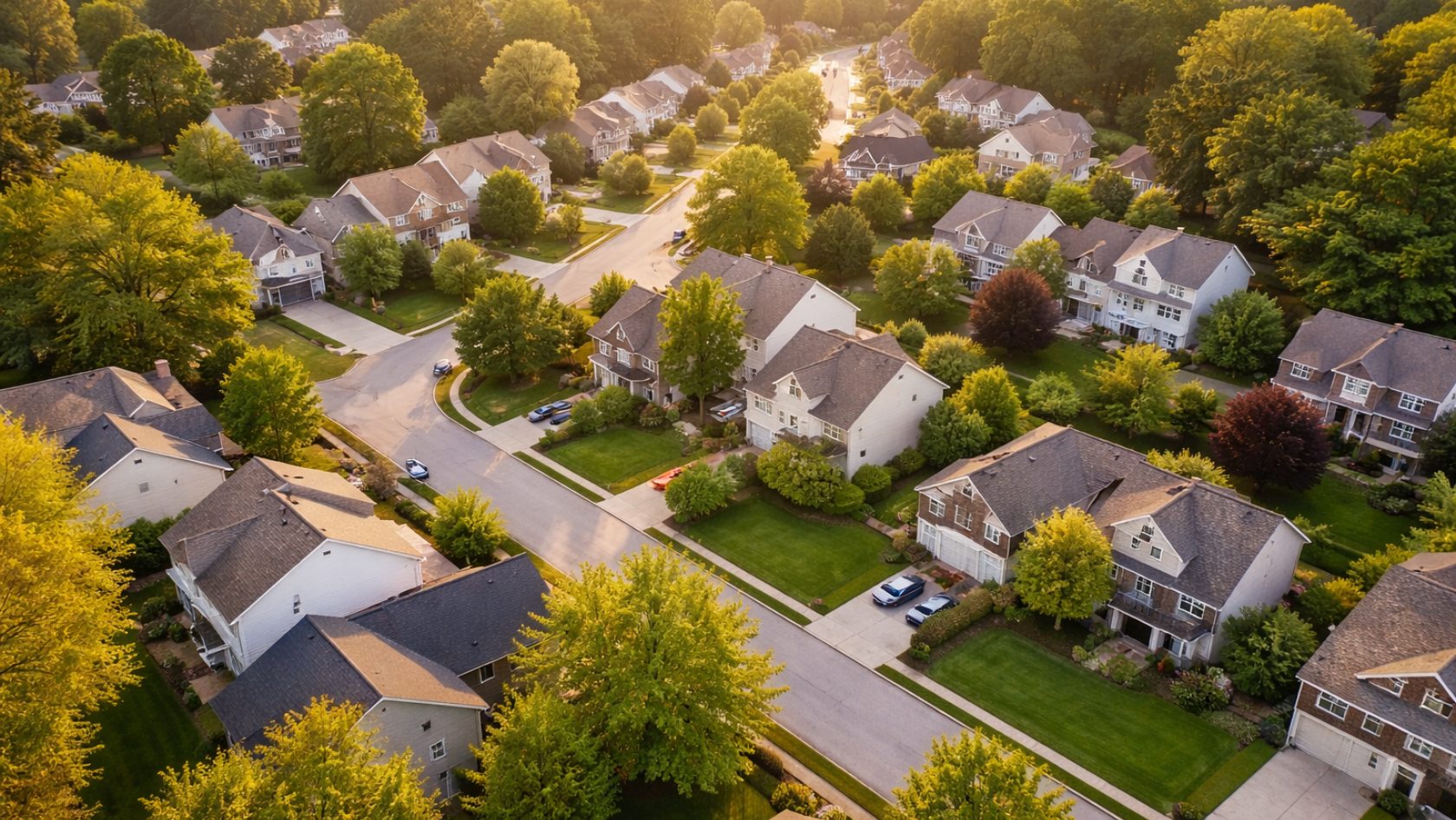
Home equity is one of the most overlooked sources of financial stability. And with national data showing that 40.3% of U.S. homeowners now own their homes mortgage-free, many people are realizing they may be sitting on more equity than they realize.
Rising mortgage-free ownership is a window into how much wealth many longtime homeowners have built over the years.
It also provides a helpful benchmark for understanding where you might stand today, even if you still have a mortgage.
What “Home Equity” Really Means (In Plain English)
Home equity is simply the difference between what your home is worth today and what you still owe on it.
For example, if your home is worth $600,000 and your remaining mortgage balance is $200,000, you have $400,000 in equity.
That equity doesn’t appear all at once. It builds gradually and predictably. As home values rise over time and each mortgage payment reduces your loan balance, the gap between those two numbers grows. When you own a home for a long stretch—especially if you refinanced into a lower rate years ago—those effects compound.
This is why homeowners who bought years ago often have more equity than they think. Growth occurs in the background, and many people don’t realize how significant it has become until they take a closer look.
The Rise in Mortgage-Free Homeownership
The latest analysis, based on U.S. Census Bureau data, shows how much equity has grown nationwide. These numbers give every homeowner a starting point for comparison:
- 40.3% of U.S. homeowners now own their homes mortgage-free
- Up from 39.8% in 2023
- Up from 32.8% in 2010
One major reason equity levels are so high today is simple: time.
The U.S. homeowner population is aging, and many people who bought homes 20 to 30 years ago have either paid off their mortgages in full or are very close to doing so. As homeowners stay in their properties longer, full payoff becomes more common.
Among homeowners age 65 and older, nearly two-thirds now own their homes outright. That’s a meaningful shift compared to previous decades and is a key reason the share of mortgage-free homeowners continues to climb nationwide.
What This Means for the Market (And for You)
When a large portion of homeowners have little or no mortgage debt, the market behaves differently.
Fewer people are forced to sell due to financial pressure. Sellers can afford to be more patient with pricing and timing. And overall, the market tends to be more stable, with fewer distress-driven transactions.
For individual homeowners, this stability creates something just as important: options.
Equity isn’t just a number on paper. It’s flexibility and the ability to make housing decisions on your terms, not because of urgency.
Common Ways Homeowners Use Their Equity
Every homeowner’s situation is different, but once people understand how much equity they’ve built, many begin exploring similar options. Importantly, selling the home is just one path—not the default.
Homeowners commonly use their equity to:
- Downsize to reduce upkeep and free up cash
- Purchase another property while keeping their current home
- Renovate or update their home instead of moving
- Make aging-in-place upgrades, such as accessibility or safety improvements
- Help family members with housing or major life expenses
- Stay put, knowing they’re financially secure and not under pressure to move
Others take a more planning-focused approach and use equity as a decision-making tool rather than an immediate action. That can include:
- Requesting a personalized equity review to understand where they stand
- Exploring options like a home-equity loan or HELOC for improvements or consolidation
- Reviewing long-term financial or tax considerations with a trusted professional
The key takeaway is simple: owning a home outright—or having significant equity—doesn’t mean you’re finished thinking about your housing strategy. It means you have more choices and the ability to make decisions that support both your lifestyle and long-term financial stability.
A Quick Reality Check: Why Many Homeowners Underestimate Their Equity
Despite rising equity levels nationwide, many homeowners still underestimate their equity.
Often, it’s because they haven’t checked their home’s value recently. Others still think in terms of what they paid for the home years ago. Many assume market changes don’t affect their neighborhood.
In reality, local market shifts can quietly add (or subtract) tens or even hundreds of thousands of dollars in value over time. Without reviewing updated local data, it’s easy to miss how much has changed.
A Simple Next Step
You don’t need to be planning a sale to understand your equity.
Knowing where you stand helps you make informed decisions, plan ahead without pressure, and understand your options before you ever need them.
If you’re curious how much equity you may have, and what it could mean for your future, I’m happy to walk through it with you using local data and real numbers.
Sometimes, knowing what you already have is the smartest move you can make.
Seize the moment.
Now is the time to take advantage of the unique opportunities presented by the current market conditions.
If you're considering making real estate moves, reach out. We can't wait to guide you through the process.