.png)


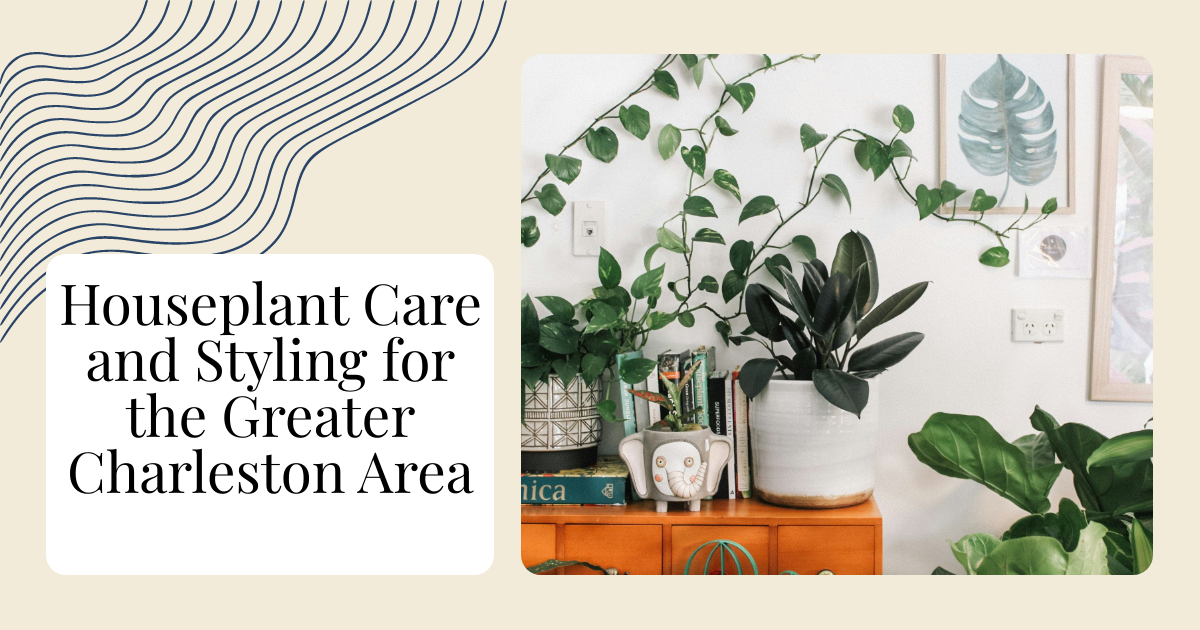
Summer lasts well into fall in the Greater Charleston Area, but shorter days and cooler evenings still change how plants grow and how we care for them.
This is a good time to refresh the rooms where you spend the most time. A few houseplants bring color, warmth, and life indoors without requiring a major decorating project. Whether you’re moving patio plants inside or starting your first indoor collection, begin with the light in your home.
Choose Plants That Match Your Home’s Natural Light
A beautiful plant won’t stay healthy in the wrong location. Before bringing one home, look at the windows in the room where you plan to put it.
Direct light: South-facing windows receive strong, consistent sunlight, while west-facing windows get intense afternoon sun. These spots work well for succulents and cacti, although the light burns more sensitive leaves.
Bright, indirect light: East-facing windows offer gentler morning sun. A spot near a south- or west-facing window, but outside the direct rays, also works well for tropical plants.
Low light: North-facing windows and areas farther from a window receive less natural light. No plant grows well in complete darkness, but pothos, snake plants, and ZZ plants handle dimmer rooms.
Once you understand the light in your space, choosing the right plant becomes much easier.
Easy Houseplants for Beginners
You don’t need years of experience to enjoy houseplants. If you want something dependable that doesn’t demand constant attention, start with one of these three options.
Pothos
Pothos grows long, trailing vines that look beautiful on bookshelves, mantels, and hanging planters. It adapts to different lighting conditions and recovers well if you occasionally forget to water it.
Snake Plant
With its tall, upright leaves, the snake plant adds a clean, architectural element to a room. Allow the soil to dry completely between waterings. Its simple care routine makes it a practical choice for a busy household.
ZZ Plant
The ZZ plant has glossy, dark-green leaves that look polished with very little maintenance. It stores water beneath the soil and goes several weeks between waterings.
Statement Plants That Need More Attention
If you’re comfortable with the basics and want a plant with more presence, choose a Monstera or fiddle-leaf fig.
Monstera Deliciosa
Known for its large, split leaves, the Monstera brings a lush, tropical feeling to a living room or home office. It needs bright, indirect light and enough room to spread out. As it grows, give it a stake or moss pole for support.
Fiddle-Leaf Fig
The fiddle-leaf fig is known for its broad leaves and dramatic, tree-like appearance. It needs consistent conditions, so place it somewhere with plenty of indirect light and away from air-conditioning vents or drafts. Water it when the top inch of soil feels dry, and leave it in place once you’ve found the right spot.
When Should You Bring Patio Plants Inside?
Charleston’s warm weather keeps patio plants outside well into fall. Bring tropical houseplants indoors before overnight temperatures fall below 55°F.
Before carrying each plant through the door, inspect its leaves, stems, and soil for insects. Pay close attention to the undersides of the leaves, where pests often hide. Rinse the plant thoroughly and clean the outside of the pot before bringing it inside.
The move from a bright, humid patio to lower indoor light is an adjustment. Some temporary leaf yellowing or dropping is normal. Keep the plant’s care consistent and give it a few weeks to settle in.
Adjust Your Plant Care as the Days Get Shorter
Shorter days slow plant growth, even when outdoor temperatures remain warm. Your summer care routine needs a few seasonal changes.
Water less often. Plants dry out more slowly indoors. Check the soil with your finger before watering, and wait a few more days if it still feels damp.
Pause the fertilizer. Houseplants don’t need extra nutrients during fall and winter. Save the fertilizer for spring, when active growth begins again.
Follow the sunlight. A spot that received plenty of light in June will be darker later in the year. If a plant begins leaning or stretching toward a window, move it closer to the natural light.
Avoid vents and drafts. Constant air from heating or cooling systems dries out leaves. Choose a spot with steady conditions throughout the day.
Make Plants Part of the Room
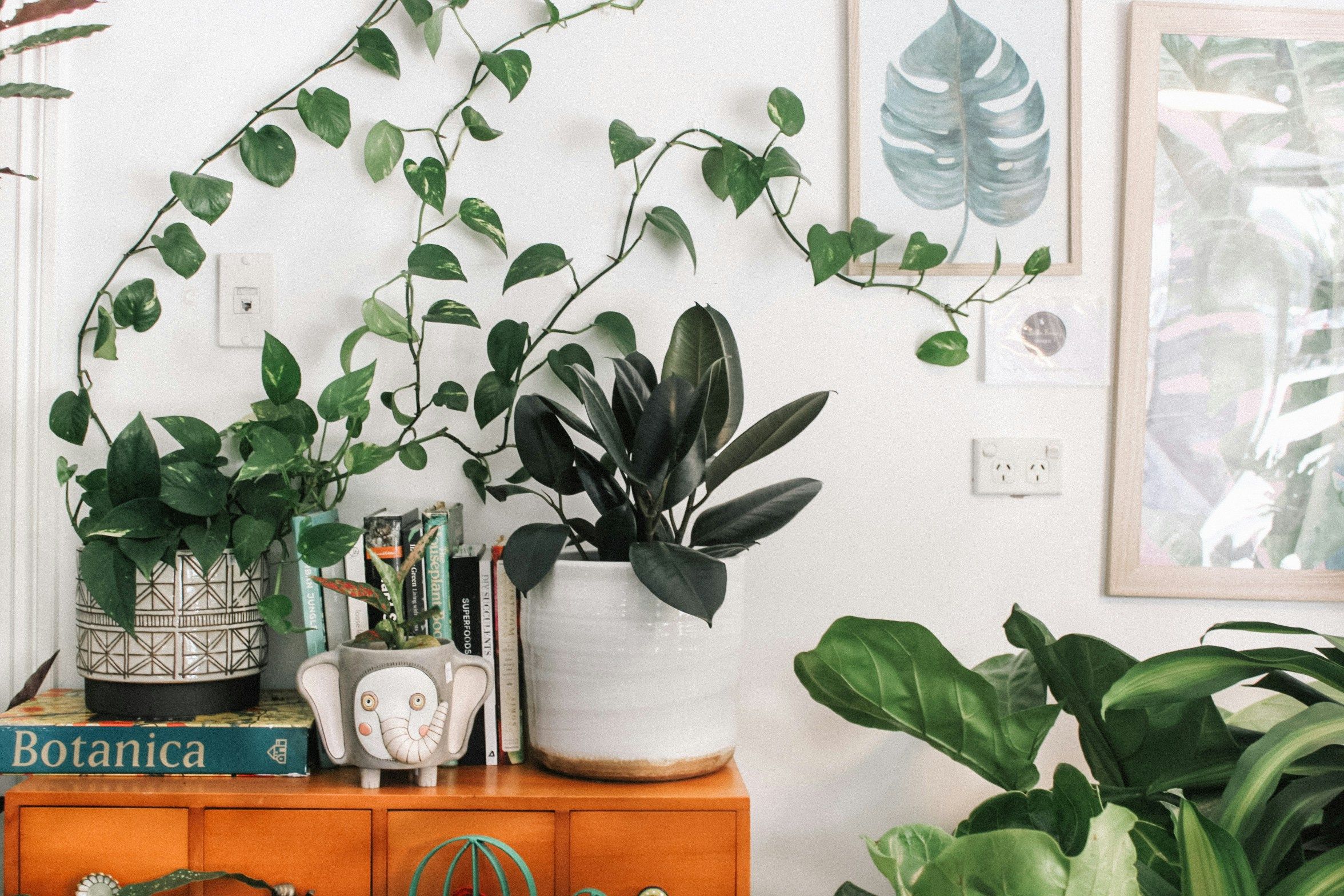
Plants look their best when they feel connected to the rest of the room. Group three plants with different heights and forms, such as one tall plant, one fuller plant, and one trailing variety. The combination adds depth without making the arrangement feel crowded.
Place plants beside a media console, desk, bookcase, or other piece with hard lines. Their natural forms soften the room and help an empty corner feel finished.
Choose planters that complement your home, whether you prefer terracotta, concrete, woven baskets, or classic ceramic. Make sure each pot has a drainage hole. If it doesn’t, leave the plant in its plastic nursery pot and place that inside the decorative planter.
Bring a Little More Life Indoors
Adding plants makes a home feel warmer, more relaxed, and more lived in. Start with the light you have, choose varieties that fit your routine, and give them time to adjust.
We love helping people think about what makes a space feel like home. If you’re considering a move in the Greater Charleston Area, we’re here to help you find a place that fits the way you want to live.
Thinking about selling your home?
Get in touch. We'll guide you through every step of the process to ensure a smooth transaction that meets your goals.